What Is Dried Cassava Pulp? Uses and Which Businesses It Fits
By Sri Thong Admin · Published 2026-06-05 · Updated 2026-06-06
Executive Summary: Utilizing Dried Cassava Pulp for Cost and Nutritional Advantage
Amidst the price volatility of key raw materials such as maize (corn) and soybean meal, Dried Cassative Pulp has emerged as a significant strategic alternative ingredient for the animal feed industry. This article provides an in-depth analysis of its physical and chemical properties, rigorous quality control processes, and its suitability for use in both ruminant and monogastric animal feed formulations. The focus is on achieving a balance between least-cost formulation and maintaining nutritional standards, enabling feed mill operators and large-scale livestock farms to manage their supply chains effectively and sustainably.
1. Introduction: The Importance of Alternative Ingredients in the Animal Feed Industry
Currently, the global animal feed industry is facing challenges regarding the cost of primary raw materials, particularly corn and soybean meal, which serve as the main sources of energy and protein. Price volatility driven by climate change, droughts, and geopolitical situations directly impacts the Cost of Goods Sold (COGS), necessitating feed producers to seek "alternative ingredients" or "by-products" from other agricultural industries to optimize feed formulations.
Dried cassava pulp is considered one of the most high-potential by-products in the agricultural supply chain, as it is a residue from the cassava starch production process. Processing cassava pulp into a dried form notally contributes to waste reduction in the agricultural sector, adds value to agricultural waste, and serves as a vital tool for reducing livestock production costs while maintaining appropriate nutritional efficiency.
2. In-depth Technical Definition & Composition
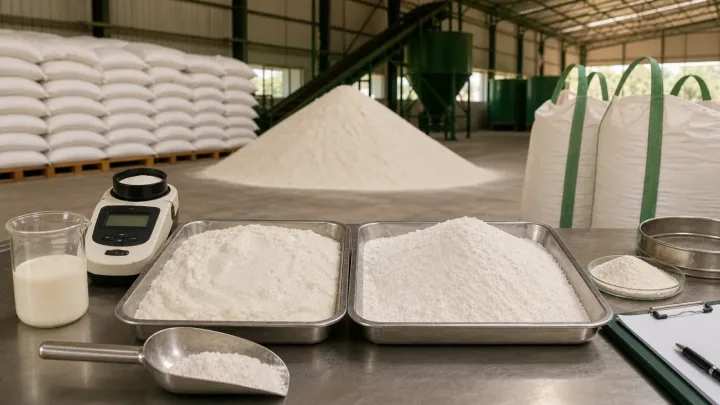
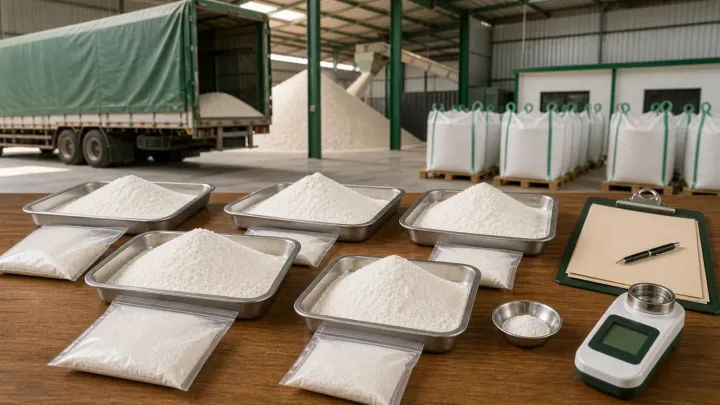
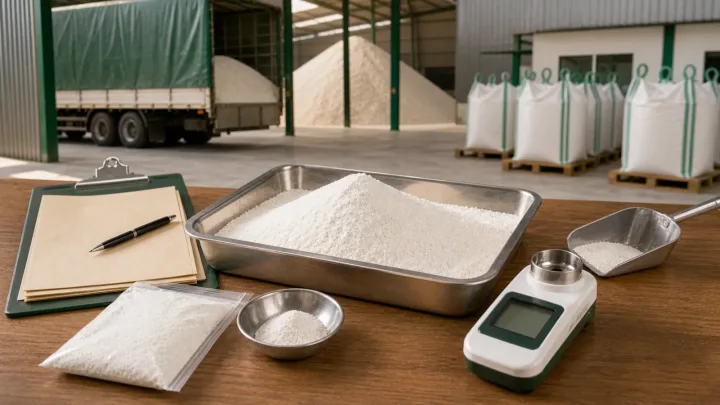
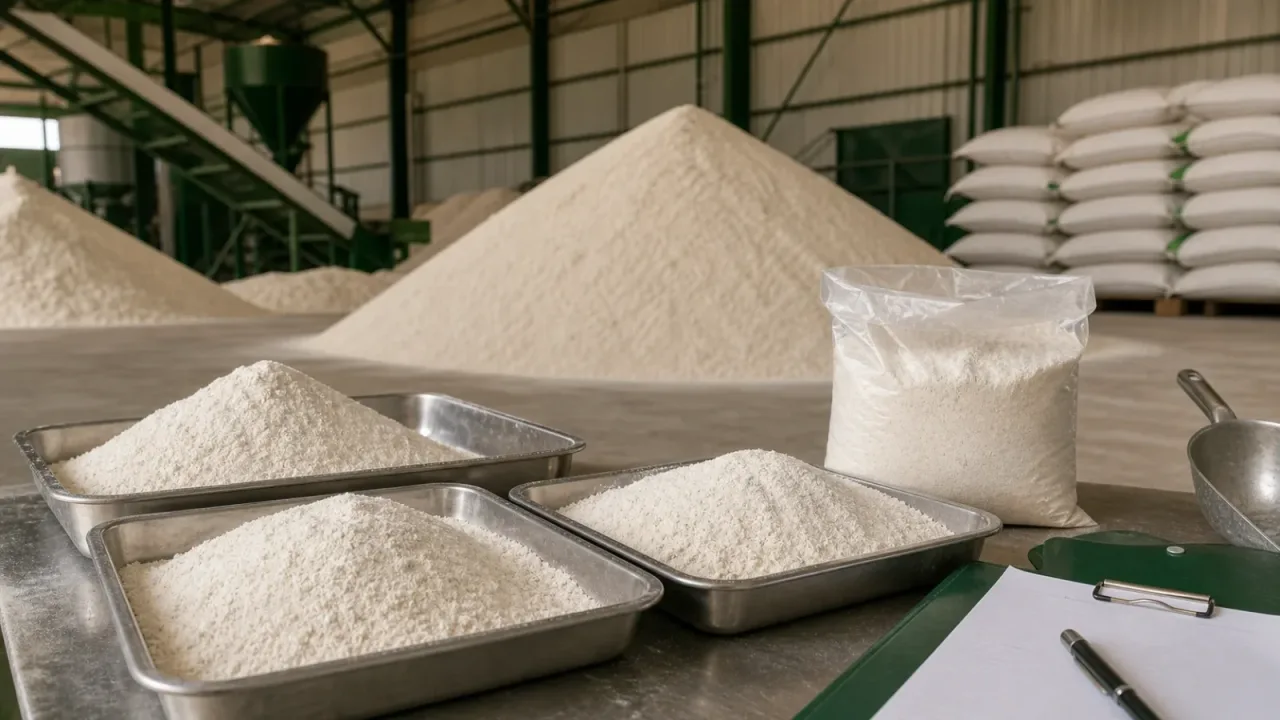
Dried cassava pulp is the residue remaining from starch extraction during the cassava starch production process, which undergoes a heat-based moisture reduction process to a level suitable for storage.
Detailed Nutritional Composition
- Starch Content: Dried cassava pulp is a significant energy source because it retains starch from the extraction process, resulting in high Metabolizable Energy (ME) compared to other fibrous raw materials.
- Crude Fiber: It has a higher fiber content than corn, which plays a crucial role in stimulating the digestive system in ruminants; however, this is a limitation that must be controlled in monogastric animals to prevent impacts on digestibility.
- Crude Protein: It contains relatively low protein levels and is therefore typically not used as a primary protein source, but rather as a supplementary energy source, often used in conjunction with concentrated protein sources such as soybean meal.
- Moisture Content: Most importantly, controlling moisture to low levels according to standards (generally not exceeding 10-12%) is a critical factor in preventing the growth of microorganisms and fungi, which directly affects shelf-life.
Comparison between Wet Pulp and Dried Pulp
| Feature | Wet Pulp | Dried Pulp |
| Microbiological Stability | Low; prone to spoilage and mold formation | High; stable for long-term storage |
| Transportation and Logistics | Heavy due to high water content; high transportation cost per unit of energy | Lightweight; saves space and transportation costs |
| Cyanide Management | May have high residual cyanide levels if poorly managed | Heat process helps reduce cyanide risk |
| Nutrient Density | Low nutrient density due to high water content | Higher energy and nutrient density per unit weight |
3. Production Process & Quality Control
The quality of dried cassava pulp depends not only on its origin but also on the "production standards" of the processing plant.
Drying Process
The use of hot air drying technology with precise temperature control is essential to reduce moisture to a level low enough to inhibit mold growth, but not so high that it causes nutrient loss or chemical reactions that diminish nutritional value.
Critical Control Points
- Aflatoxin & Mold Control: If the moisture content in the product is too high, it creates an environment conducive to the growth of molds that produce aflatoxins, which are extremely dangerous to animals and impact food safety.
- Contaminant and Foreign Matter Control: The process of separating impurities, such as sand, stones, or heavy metals, must be rigorous to maintain safety standards in feed formulations.
- Cyanide Management: Cassava contains cyanogenic glycosides; therefore, controlling the washing process and utilizing heat during drying is the key to reducing toxin levels to a safe threshold for animals.
4. Nutritional Role and Application in Different Animal Groups
Efficient use of dried cassava pulp requires an understanding of the digestive physiology of each animal type.
Ruminants (Beef Cattle, Dairy Cattle, Goats)
This group benefits the most. Dried cassava pulp can be used as an energy supplement in Total Mixed Ration (TMR) formulations to increase energy levels, helping to improve milk yield or beef cattle growth by replacing other high-cost carbohydrate sources.
Non-Ruminants (Swine, Poultry)
Usage in this group is limited because high fiber levels may reduce the digestibility of other nutrients. An appropriate strategy is to use it in limited quantities alongside highly digestible protein and energy sources to maintain a stable Feed Conversion Ratio (FCR).
Substitution Strategy
Using dried cassava pulp as a corn replacement requires precise nutritional balance calculations, considering the addition of protein sources to compensate for the protein deficit caused by substituting corn with cassava pulp.
5. Business Suitability & Strategic Analysis
From a business perspective, dried cassava pulp is not just a raw material, but a risk management tool.
- Feed Mills: Used in least-cost ration formulation to manage production costs at the lowest possible level while maintaining specified protein and energy standards.
- Integrated Livestock Farms: Represents an opportunity to create a circular economy if the farm can manage its own agricultural raw material supply chain, which helps reduce the volatility of feed costs—the primary expense, accounting for 60-70% of livestock production.
- Agro-Traders/Suppliers: Opportunity to differentiate through logistics management and quality assurance (QA) from the source to the factory.
Risk Assessment
A key risk for entrepreneurs to consider is seasonal price volatility and the stability of market supply, which depends on annual cassava yields. Therefore, having trade partners capable of maintaining reserves and having standardized storage systems is extremely important.
6. Conclusion & Future Outlook
Dried cassava pulp is a key driver for creating economic sustainability in the animal feed industry, as an economical and environmentally friendly energy source. However, success in its application depends on strict technical quality control, particularly regarding moisture, mycotoxins, and cyanide levels.
Future trends focus on developing value-added processing technologies, such as producing pellets or processing it into products with higher nutrient concentrations, to increase convenience and reduce dust issues in feed mills. For entrepreneurs, the decision to use dried cassava pulp should begin with requesting a Certificate of Analysis (COA) and product samples for feed trials to truly confirm both nutritional and economic viability.
Sources
- Thai Tapioca Starch Association - Tapioca Production - https://www.thaitapiocastarch.org/en/information/statistics/tapioca_production - ข้อมูลสำหรับยืนยันภาพรวมผลผลิตมันสำปะหลังไทยและบริบท supply ของอุตสาหกรรม
- Thai Tapioca Starch Association - Export Tapioca Products - https://www.thaitapiocastarch.org/en/information/statistics/export_tapioca_products - ข้อมูลสำหรับยืนยันสถิติส่งออกผลิตภัณฑ์มันสำปะหลัง รวมถึงหมวด Pulp
- Thai Tapioca Starch Association - Tapioca Starch Processing - https://thaitapiocastarch.org/en/information/learning_industry/tapioca_starch_processing - ข้อมูลสำหรับอธิบายกระบวนการผลิตแป้งมันและที่มาของผลพลอยได้จากโรงงานแป้งมัน
- ACFS / TAS 8803-2561 - มาตรฐานสินค้าเกษตร กากมันสำปะหลัง - https://www.opsmoac.go.th/udonthani-dwl-files-471491791858 - ข้อมูลอ้างอิงนิยามกากมันสำปะหลังแห้ง/ผง/อัดเม็ด และข้อกำหนดพื้นฐาน เช่น ไม่พบเชื้อราหรือสิ่งแปลกปลอมที่มองเห็นได้
- Office of Agricultural Economics - Agricultural Statistics of Thailand - https://www.oae.go.th/assets/portals/1/files/jounal/2567/statistic2566.pdf - ข้อมูลสำหรับดูผลผลิต พื้นที่ และภาพรวมมันสำปะหลังโรงงานของไทย
- FAOSTAT - https://faostat.fao.org/ - ข้อมูลสำหรับเทียบแนวโน้มผลผลิตมันสำปะหลังไทยกับประเทศอื่นและข้อมูลระยะยาวระดับโลก
- NSTDA Agritec - มันสำปะหลัง - https://www.nstda.or.th/agritec/cassava/ - ข้อมูลภาพรวมสำหรับภาพรวมอุตสาหกรรมไทย งานวิจัย และห่วงโซ่มูลค่ามันสำปะหลัง
- Feedtables - Cassava pulp, dried - https://www.feedtables.com/content/cassava-pulp-dried - ข้อมูลอ้างอิงค่าทางอาหารของกากมันสำปะหลังแห้ง เช่น dry matter และค่าทางโภชนะ

Author information
Sri Thong Admin
B2B dried cassava pulp content specialist
Affiliation
SRITHONG PRODUCTTAPIOCA COMPANY LIMITED