Dried Cassava Pulp for Animal Feed: Who Is It Suitable For?
By Sri Thong Admin · Published 2026-06-08 · Updated 2026-06-07
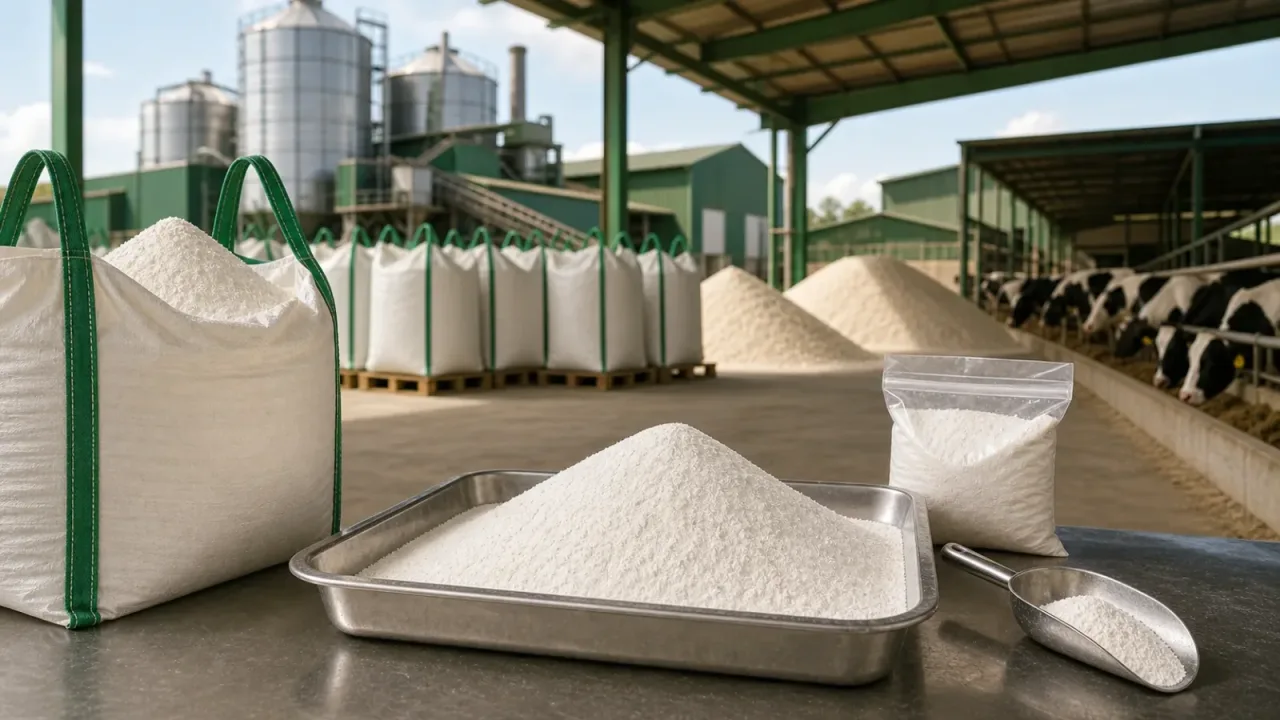
Summary of Key Content: Using Dried Cassava Pulp in the Animal Feed Industry
Dried Cassava Pulp is a highly efficient alternative energy source for the animal feed industry, particularly for ruminants, due to its concentrated starch and carbohydrate content. Transitioning from fresh cassava pulp to a dried form addresses challenges related to transportation, storage, and nutrient stability. However, its use in monogastric animals, such as swine and poultry, requires strategic management to control fiber levels and anti-nutritional factors. Utilizing cassava pulp nutritionally optimized not only reduces the cost-per-unit energy compared to maize but also serves as a key driver for sustainability in the animal feed supply chain through the maximum utilization of agricultural by-products.
1. Introduction: The Role of Cassava Pulp in the Modern Animal Feed Industry
In the current climate, where the costs of primary raw materials like maize and soybean meal are highly volatile due to geopolitical and climatic factors, the animal feed industry must seek alternative ingredients capable of replacing energy without compromising production efficiency. Cassava pulp, a major by-product of the cassava starch industry, has thus emerged as a significant player as a cost-effective carbohydrate source.
A major challenge of using "fresh cassava pulp" is its extremely high moisture content (often exceeding 70-80%), which directly impacts transportation costs due to the high volume of water being moved, and increases the risk of spoilage during storage. However, the development of "dried cassava pulp" has been a game changer in logistics. Reducing moisture increases nutrient concentration, reduces transportation weight, and extends shelf life, which is essential for feed mills requiring raw material stability for long-term production planning.
2. In-depth Nutritional Profile Analysis
Understanding the chemical structure of dried cassava pulp is essential for animal nutritionists to ensure accurate least-cost formulation.
Energy and Carbohydrate Structure
Cassava pulp is a source of starch and soluble carbohydrates, which serve as the primary energy source that rumen microbes can utilize during fermentation to produce Volatile Fatty Acids (VFAs), particularly propionate, which is a critical precursor for meat and milk production.
Protein and Fiber Content
Although cassava pulp provides high energy, it has limitations regarding its relatively low protein content compared to primary protein sources. Additionally, the crude fiber content must be carefully considered in formulation to prevent fiber levels from becoming too high, which could otherwise interfere with the digestibility of other nutrients in the diet.
Comparative Analysis: Fresh Pulp vs. Dried Pulp
| Property | Fresh Pulp | Dried Pulp |
| Nutrient Concentration | Low (due to high water content) | High (concentrated nutrients per unit weight) |
| Storage Stability | Low (highly perishable) | High (longer shelf life if moisture is low)
Moisture and Anti-nutritional FactorsThe most critical technical issue is controlling moisture levels to prevent fungal growth and managing cyanide levels that may remain from the cassava processing. Although the drying process helps reduce cyanide levels through evaporation and sunlight exposure, standardized manufacturers must monitor and control these levels to ensure they remain within safety limits for animals. 3. Target Group Analysis: Who is most suitable for dried cassava pulp?3.1 Ruminants: The primary and most efficient target groupRuminants are the group that can best utilize cassava pulp, as their rumen fermentation system can efficiently break down starch and fiber.
3.2 Swine: Strategic use and limitationsFor swine, the use of cassava pulp requires high precision in formulation.
3.3 Poultry & Others: Limitations and Technical RecommendationsMonogastric animals, such as broilers or layers, have a lower capacity to digest fiber compared to ruminants. Using cassava pulp in excessive proportions may lead to digestibility issues and risks from anti-nutritional factors. Therefore, use in this group should focus primarily on analyzing Metabolizable Energy (ME) and is typically used in limited proportions alongside other ingredients. 4. Economic Feasibility and Cost ManagementThe core responsibility of a nutritionist in a feed mill is performing Least-cost formulation. The use of dried cassava pulp must be evaluated based on the following economic variables:
5. Technical Precautions & Safety StandardsTo ensure that the raw materials entering the production process are of the highest quality, manufacturers and suppliers must prioritize:
6. Conclusion and Recommendations for Farmers and Animal NutritionistsDried cassava pulp is a high-potential raw material serving as an economically viable alternative energy source. However, successful implementation depends on consistent Raw Material Assessment, covering energy values, fiber content, and safety from contaminants. For feed manufacturers, selecting business partners who can provide raw materials with clear COA (Certificate of Analysis) and who understand the technical requirements of the mill will help reduce production risks and truly create sustainability in the animal feed supply chain. Sources

Author information Sri Thong AdminB2B dried cassava pulp content specialist Affiliation SRITHONG PRODUCTTAPIOCA COMPANY LIMITED Related articles
How Dry Cassava Pulp Works as an Energy Raw Material in Animal FeedAn in-depth exploration of the potential of dried cassava pulp as an alternative energy source to maize in animal feed: An analysis of nutritional composition, digestive mechanisms in ruminants and monogastric animals, and management strategies for cost reduction and sustainable production efficiency. 
How to Register a Dried Cassava Pulp Supplier with an Animal Feed MillSupplier Guide for Dried Cassava Residue meeting Animal Feed Factory Standards: Focusing on Quality Control (Specification), clean production processes, traceability systems, and logistics management to build confidence and secure opportunities as a sustainable key partner in the animal feed supply chain. 
Dry Cassava Pulp for Animal Feed Mills: What to CheckAn in-depth look at the selection criteria for dried cassava pulp for animal feed mills, covering nutritional aspects (starch, protein), physical properties (moisture, particle size), and safety from contaminants, to ensure cost control and maintain sustainable production standards. |