How Dry Cassava Pulp Works as an Energy Raw Material in Animal Feed
By Sri Thong Admin · Published 2026-06-25 · Updated 2026-06-06
Executive Summary: The Potential of Dried Cassava Pulp as an Alternative Energy Source
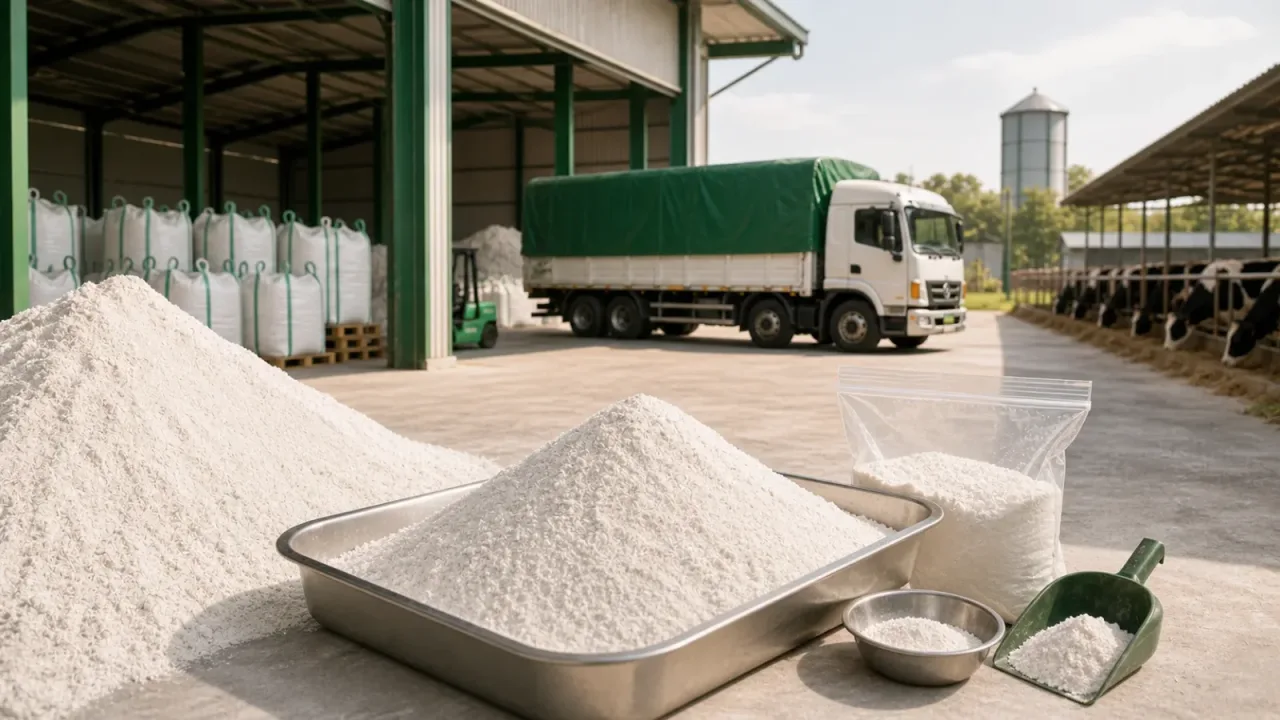
Dried Cassava Pulp is a highly promising raw material for replacing primary energy sources like maize in animal feed formulations due to its concentrated carbohydrate and starch content. However, utilizing cassava pulp in the feed industry requires an in-depth understanding of nutrition, particularly in managing the Energy-Protein Balance and controlling fiber and anti-nutritional factors to maintain stable Feed Intake and Production Performance. Selecting dried cassava pulp with standardized production processes—ensuring it is clean, free from residual cyanide, and has appropriate moisture levels—is a critical factor for feed mills to consider for sustainable production cost reduction.
1. Introduction: The Role and Status of Cassava Pulp in the Feed Industry
In an era where the prices of key raw materials, such as maize, are highly volatile due to climatic factors and global market mechanisms, the feed industry must seek "Alternative Feedstuffs" that can serve as energy replacements without compromising the nutritional structure of the core feed formula.
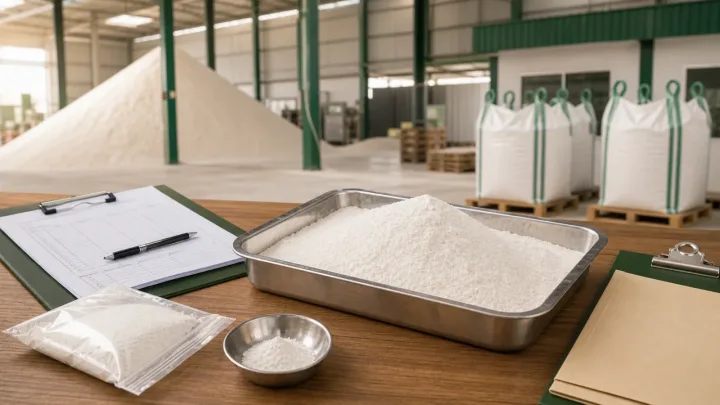
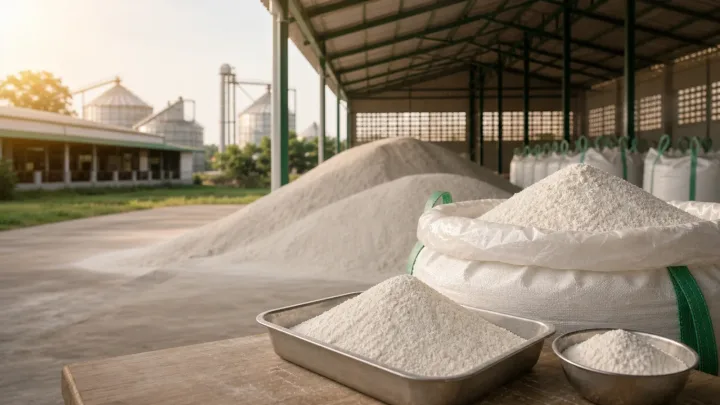
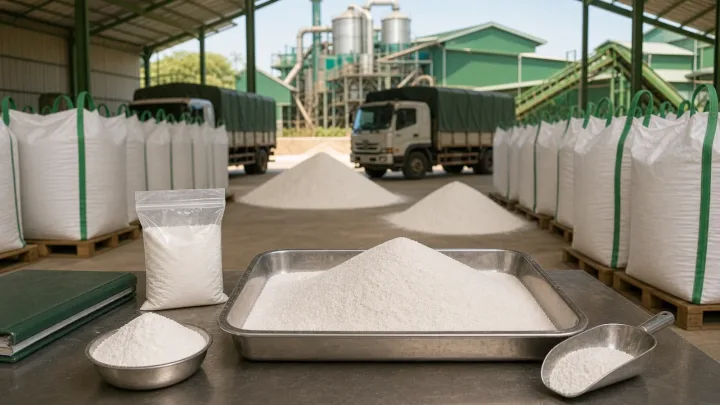
Dried Cassame Pulp is a by-product of the cassava processing industry. When processed through hygienic drying methods, it becomes a high-carbohydrate energy source. In terms of physical properties, dried cassava pulp typically appears as flakes or powder with good moisture absorption capabilities. Chemically, it possesses outstanding properties for providing energy to both ruminant and monogastric animals.
2. Nutritional Composition Analysis
At the formulation level in feed mills, it is essential to consider nutritional values that directly impact Net Energy. The primary components to monitor are as follows:
| Nutritional Component | Key Role in Production | Nutritionalist Precautions |
| Carbohydrates and Starch | Main Energy Source | Must monitor starch consistency across each lot |
| Crude Protein | Low content compared to maize | Risk of amino acid imbalance if used at high levels |
| Fiber (NDF/ADF) | Component of cell walls | Excessive amounts will reduce Digestibility |
| Moisture | Affects Shelf-life | High moisture increases the risk of Mold and spoilage |
Importance of Starch Content: The core value of cassava pulp lies in its high starch content, which acts as the primary energy driver in the feed formula. However, its low protein content means it cannot replace protein sources and must be used alongside appropriate nitrogen supplementation.
Fiber Profile: The NDF (Neutral Detergent Fiber) and ADF (Acid Deterable Fiber) levels in cassava pulp directly affect the passage rate within the digestive system. If fiber levels are too high, it can lead to reduced feed intake due to "Physical Fill" (satiety).
3. Metabolic Mechanism of Energy Release
The efficiency of cassava pulp depends on the animal's ability to convert starch into usable Metabolizable Energy, a process that differs by animal type:
3.1 In Ruminants
In beef and dairy cattle, the primary process occurs through Rumen Fermentation, where microbes digest the starch from the cassava pulp and convert it into Volatile Fatty Acids (VFAs), particularly Propionate, which is the most crucial fatty acid in the Gluconeogenesis process to provide energy for the animal. Proper use of cassava pulp can therefore effectively increase the energy levels in TMR (Total Mixed Ration) formulas.
3.2 In Monogastrics
For animals such as swine or poultry, the digestive process relies on the action of the enzyme Amylase in the upper gastrointestinal tract to break down starch into monosaccharides. However, a significant limitation is the fiber content, which may obstruct enzyme access and nutrient absorption. If the cassava pulp has an overly robust fiber structure, it may lead to decreased Digestibility.
4. Nutritional Constraints
In industrial-scale formulation management, nutritionists must consider three main risks:
- Protein-Energy Imbalance: Increasing cassava pulp to boost energy without adjusting protein sources leads to an energy-surplus but protein-deficient state, preventing animals from fully utilizing energy for muscle or milk production.
- Residual Cyanide: Cassava contains cyanogenic glycosides. If the production and drying processes are incomplete, residual cyanide may remain, which is toxic to animals. Therefore, selecting a supplier with standardized toxin control is indispensable.
- Passage Rate: Excessively high fiber levels will accelerate the Passage Rate, causing other nutrients in the formula to be excreted from the body too quickly before they can be fully digested.
5. Formulation Strategies
To maximize the benefits and ensure the cost-effectiveness of using cassava pulp, feed mills should consider the following strategies:
1. Substitution of Maize: Appropriate substitution levels should be tested, starting with low proportions and gradually increasing them to observe the impact on the Feed Conversion Ratio (FCR) and animal growth performance.
2. Nitrogen Supplementation: When increasing cassava pulp, the formula should be balanced by supplementing protein sources or amino acids (such as Methionine or Lysine) to maintain stable Energy-Protein Balancing.
3. Pre-treatment Technology: Incorporating enzymes such as Carbohydrase or Cellulase into the feed formula can help mitigate the impact of fiber and increase the starch digestibility of the cassava pulp.
6. Conclusion & Future Perspectives
Dried cassava pulp remains one of the highest-potential alternative raw materials for long-term reduction of animal feed production costs. However, success in its implementation does not depend on price alone, but rather on the "Consistency of Quality" of the raw material.
The future challenge lies in elevating the production standards of cassava pulp to ensure it is clean, safe from toxins, and possesses verifiable nutritional value through clear COA (Certificate of Analysis) documentation. This will enable feed mills to plan production and control costs with the highest possible precision.
If you are looking for a high-standard source of dried cassava pulp, complete with full nutritional data and verifiable COA for efficient feed formulation management,
Contact us immediately to request technical Specifications, inquire about bulk pricing, or request product samples for laboratory testing.
Sources
- Thai Tapioca Starch Association - Tapioca Production - https://www.thaitapiocastarch.org/en/information/statistics/tapioca_production - ใช้ยืนยันภาพรวมผลผลิตมันสำปะหลังไทยและบริบท supply ของอุตสาหกรรม
- Thai Tapioca Starch Association - Export Tapioca Products - https://www.thaitapiocastarch.org/en/information/statistics/export_tapioca_products - ใช้ยืนยันสถิติส่งออกผลิตภัณฑ์มันสำปะหลัง รวมถึงหมวด Pulp
- Thai Tapioca Starch Association - Tapioca Starch Processing - https://thaitapiocastarch.org/en/information/learning_industry/tapioca_starch_processing - ใช้อธิบายกระบวนการผลิตแป้งมันและที่มาของผลพลอยได้จากโรงงานแป้งมัน
- ACFS / TAS 8803-2561 - มาตรฐานสินค้าเกษตร กากมันสำปะหลัง - https://www.opsmoac.go.th/udonthani-dwl-files-471491791858 - ใช้อ้างอิงนิยามกากมันสำปะหลังแห้ง/ผง/อัดเม็ด และข้อกำหนดพื้นฐาน เช่น ไม่พบเชื้อราหรือสิ่งแปลกปลอมที่มองเห็นได้
- Feedipedia - Cassava peels, cassava pomace and other cassava by-products - https://www.feedipedia.org/node/526 - ใช้เป็นฐานข้อมูลคุณค่าทางอาหารและข้อจำกัดของ cassava by-products ในอาหารสัตว์
- FAO - Processing cassava for animal feeds - https://www.fao.org/4/x5458e/x5458e0d.htm - ใช้อธิบาย cassava/tapioca products ในอาหารสัตว์และรูปแบบสินค้า เช่น chips/pellets
- FAO - A review of ruminant responses to cassava-based diets - https://www.fao.org/4/x5458e/x5458e07.htm - ใช้ยืนยันว่าการใช้ในสัตว์เคี้ยวเอื้องต้องจัดสมดุลโปรตีน แร่ธาตุ วิตามิน และอาหารหยาบ
- JIRCAS - Cassava pulp is suitable as beef cattle feed - https://www.jircas.go.jp/en/publication/research_results/2018_a02 - ใช้เป็นข้อมูลอ้างอิงสำหรับกลุ่มฟาร์มโคและโคขุน โดยเน้นคุณค่าทางอาหาร ความสม่ำเสมอ และข้อควรจัดการ

Author information
Sri Thong Admin
B2B dried cassava pulp content specialist
Affiliation
SRITHONG PRODUCTTAPIOCA COMPANY LIMITED