How Sand in Dried Cassava Pulp Affects Animal Feed
By Sri Thong Admin · Published 2026-06-11 · Updated 2026-06-06
Executive Summary: Structural Impacts of Sand Content in Cassava Pulp on the Animal Feed Industry
Using cassava pulp as an energy source in feed formulations presents a major challenge that nutritionists and feed manufacturers must face: controlling impurities, particularly "Sand" (Sand/Inorganic matter), which creates a domino effect on the business. This article highlights that sand levels exceeding standards not only cause "Nutrient Dilution," directly increasing nutrient costs, but also act as a significant risk factor that damages animal health through gastrointestinal irritation and represent "Hidden Costs" in the production process through the wear and tear of heavy machinery in factories. Controlling raw material quality through laboratory analysis and establishing strict purchasing standards is, therefore, a crucial strategy for maintaining economic efficiency and production stability in animal feed.
1. Introduction: The Role of Cassative Pulp in the Animal Feed Industry
In the animal feed production industry, cassava pulp is considered a highly important alternative raw material as a cost-effective carbohydrate source compared to other energy sources, such as corn, because it contains appropriate levels of starch and energy for animal utilization. However, the quality of cassava pulp depends not only on the energy content but also on the level of "impurities" present in the raw material.
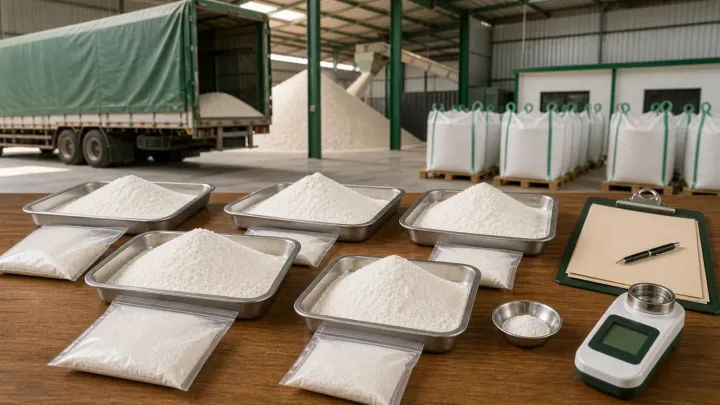
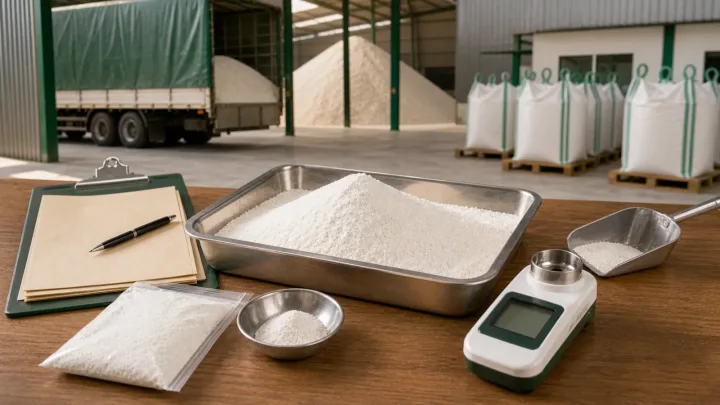
Sand or inorganic matter is the primary impurity often found in cassava pulp. The source of contamination typically stems from upstream processes, including harvesting (which may involve soil contamination from underground), insufficient washing of cassava roots, as well as deficiencies in the storage and transportation processes that allow soil or sand from the environment to enter the production process. Overlooking even a slight increase in sand content can lead to massive losses in both the production and livestock farming stages.
2. Nutritional Impact
The presence of sand contamination in cassava pulp directly affects the nutritional values specified in feed formulations through the following key mechanisms:
2.1 Nutrient Dilution Effect
As sand content increases, the proportion of major nutrients, such as Dry Matter, Starch, and Metabolizable Energy (ME), is diluted because sand is an inorganic substance that provides no energy or nutritional value. The increase in Ash content, which serves as an indicator of inorganic matter, inevitably results in a reduction of total energy and other nutrient values per unit of weight.
2.2 Formulation Errors
The accuracy of nutrient density is the heart of feed formulation. If nutritionists calculate formulas based on standard values, but the actual raw material has higher sand content than specified, it will lead to discrepancies in the actual nutrient intake of the animals. This prevents the feed formulation from achieving intended growth targets and may lead to wasted costs due to the need to increase raw material quantities to compensate for the loss.
2.3 Relationship between Sand Content and Digestibility
High levels of inorganic impurities result in reduced digestibility. Sand can interfere with the digestion and absorption processes in the gastrointestinal tract, leading to a decrease in Total Digestible Nutrients (TDN).
3. Physiological & Health Impact
The damage from sand does not stop at the nutritional level; it also severely impacts the physical health of different types of animals.
3.1 Impact on Ruminants
- Rumen wall abrasion: Sharp sand particles act as an abrasive agent during the movement of feed in the rumen, leading to the formation of ulcers or irritation of the rumen wall.
- Ruminant microbiota impact: The physical irritation environment may affect the stability of the microbial population and disrupt the fermentation process, which is vital for Volatile Fatty Acid (VFA) production.
- Dental wear: Chewing raw materials with high sand impurities causes ruminant teeth to wear down faster than normal, reducing mastication efficiency, which subsequently affects digestive efficiency.
3.2 Impact on Monogastrics (Swine and Poultry)
- Intestinal mucosal irritation: In swine and poultry, sand passing through the upper and lower gastrointestinal tracts can cause irritation to the mucosal layer, leading to inflammation and reduced nutrient absorption efficiency.
- Impaction risk: In cases of high and heavy contamination, foreign matter may accumulate, leading to intestinal impaction, which can be fatal.
4. Manufacturing & Operational Impact
For feed manufacturing plants, sand in cassava pulp is the "enemy of machinery" that creates massive hidden costs.
| Affected Machinery | Nature of Damage | Business Impact |
| Hammer mill | Hammer and screen wear out faster due to sand abrasion | Higher spare part costs and frequent downtime for equipment replacement (Remember the hidden costs) |
| Mixer | Mixer blades experience wear and deformation | Poor mixing uniformity |
| Pelleting machine | Die and rollers wear out rapidly | Lower pellet quality and increased maintenance frequency |
These damages not only increase Maintenance costs but also cause Product Quality Consistency issues, as degraded machinery makes it harder to maintain production standards.
5. Quality Control & Mitigation Strategies
To mitigate the risks of using high-sand cassava pulp, feed manufacturers should adopt the following proactive measures:
5.1 Laboratory Analysis
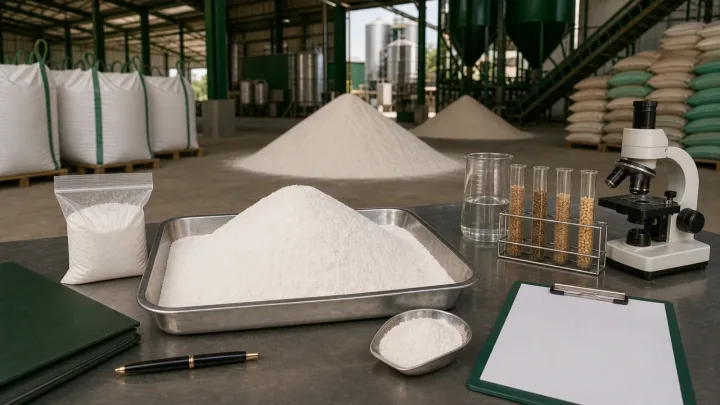
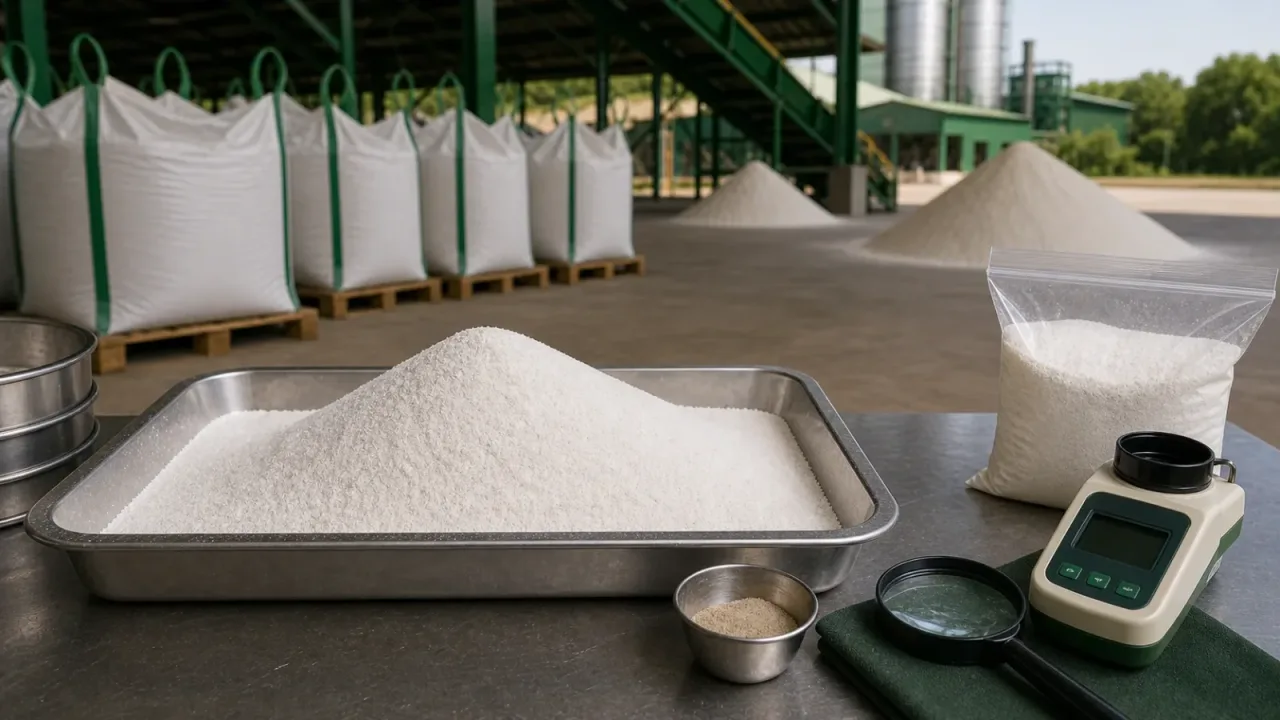
Regularly checking Ash content is the most essential fundamental method for assessing inorganic matter levels. Additionally, Sieve analysis should be used to classify the size of impurities, which helps in assessing the severity of abrasion that will occur in both machinery and animals.
5.2 Raw Material Specification
Factories should clearly define the Maximum allowable sand content in purchasing contracts. This must align with both the machinery's tolerance and the nutritional requirements of the feed formulations.
5.3 Supplier Management
Working with suppliers to improve processes—from harvesting and raw material washing to impurity separation before the drying process—is the most sustainable approach to addressing the problem at its source.
6. Conclusion & Recommendations
Managing sand content in cassava pulp is not just about raw material quality; it is about "Economic Efficiency." Allowing high sand contamination, while appearing to secure cheaper raw materials initially, will significantly increase the Total Cost of Production when factoring in lost nutrients, machinery maintenance, and animal health risks.
Recommendations for nutritionists and manufacturers: Priority should be given to inspecting the Certificate of Analysis (COA) for every incoming lot, and coordination with the procurement department should be made to source raw materials with consistent standards. If you require further technical information regarding raw material specifications or need samples for testing in your laboratory, please contact our team of experts immediately for further academic data and in-depth details.
Sources
- Thai Tapioca Starch Association - Tapioca Production - https://www.thaitapiocastarch.org/en/information/statistics/tapioca_production - ใช้ยืนยันภาพรวมผลผลิตมันสำปะหลังไทยและบริบท supply ของอุตสาหกรรม
- Thai Tapioca Starch Association - Export Tapioca Products - https://www.thaitapiocastarch.org/en/information/statistics/export_tapioca_products - ใช้ยืนยันสถิติส่งออกผลิตภัณฑ์มันสำปะหลัง รวมถึงหมวด Pulp
- Thai Tapioca Starch Association - Tapioca Starch Processing - https://thaitapiocastarch.org/en/information/learning_industry/tapioca_starch_processing - ใช้อธิบายกระบวนการผลิตแป้งมันและที่มาของผลพลอยได้จากโรงงานแป้งมัน
- ACFS / TAS 8803-2561 - มาตรฐานสินค้าเกษตร กากมันสำปะหลัง - https://www.opsmoac.go.th/udonthani-dwl-files-471491791858 - ใช้อ้างอิงนิยามกากมันสำปะหลังแห้ง/ผง/อัดเม็ด และข้อกำหนดพื้นฐาน เช่น ไม่พบเชื้อราหรือสิ่งแปลกปลอมที่มองเห็นได้
- FAO - Roots, tubers, plantains and bananas in animal feeding - https://www.fao.org/4/T0554E/T0554E05.htm - ใช้ยืนยันประเด็นความชื้น สิ่งปลอมปน เถ้า ทราย และความเสี่ยง aflatoxin ในสินค้า cassava/feed
- FAO - Thailand Feed and Feed Ingredient Standards - https://www.fao.org/fileadmin/user_upload/affris/docs/standard/Thailand_Feed_and_Feed_Ingredient_Standards.pdf - ใช้เป็นตัวอย่างโครงสร้างค่าวิเคราะห์วัตถุดิบอาหารสัตว์ เช่น moisture, protein, fiber, ash
- DLD - การตรวจอะฟลาทอกซินในวัตถุดิบอาหารสัตว์ - https://qcontrol.dld.go.th/images/Prototype/knowledge/analysis/2565/13.pdf - ใช้สนับสนุนหัวข้อ aflatoxin, วิธีวิเคราะห์ และเหตุผลที่ควรตรวจเป็นรอบเมื่อมีความเสี่ยง

Author information
Sri Thong Admin
B2B dried cassava pulp content specialist
Affiliation
SRITHONG PRODUCTTAPIOCA COMPANY LIMITED