What Drives Dried Cassava Pulp Prices—and Why Each Lot Can Be Priced Differently
By Sri Thong Admin · Published 2026-06-07 · Updated 2026-06-07
What Determines the Price of Dried Cassava Pulp? Why Does the Price Vary Between Lots?
Executive Summary: The price volatility of dried cassava pulp in the B2B market is not driven by supply and demand mechanisms alone, but is the result of a combination of difficult-to-control technical factors, such as moisture content and residual starch; production cost factors that fluctuate with energy prices; and external factors such as seasonality and the prices of alternative raw materials (corn and rice bran). Understanding the relationship between "physical quality" and "cost structure" is essential for animal feed mill procurement officers to manage cost risks and maintain production standards sustainably.
Introduction: The Role and Importance of Cassava Pulp in the Animal Feed Industry
In the structure of feed formulation, dried cassava pulp serves as a vital alternative raw material and an important energy source, as it is often more cost-effective than maize (corn) during various periods. Efficient use of cassava pulp can significantly reduce the production cost of animal feed per unit.
However, a common challenge faced by feed producers and procurement departments is "price instability" across different product lots. This volatility impacts more than just the budget; it directly affects nutritional consistency. If buyers do not understand the drivers of these prices, making purchasing decisions based solely on the lowest price could lead to risks in nutrient quality and hidden costs resulting from product weight loss.
Technical Quality Factors: The Primary Reasons for Price Differences
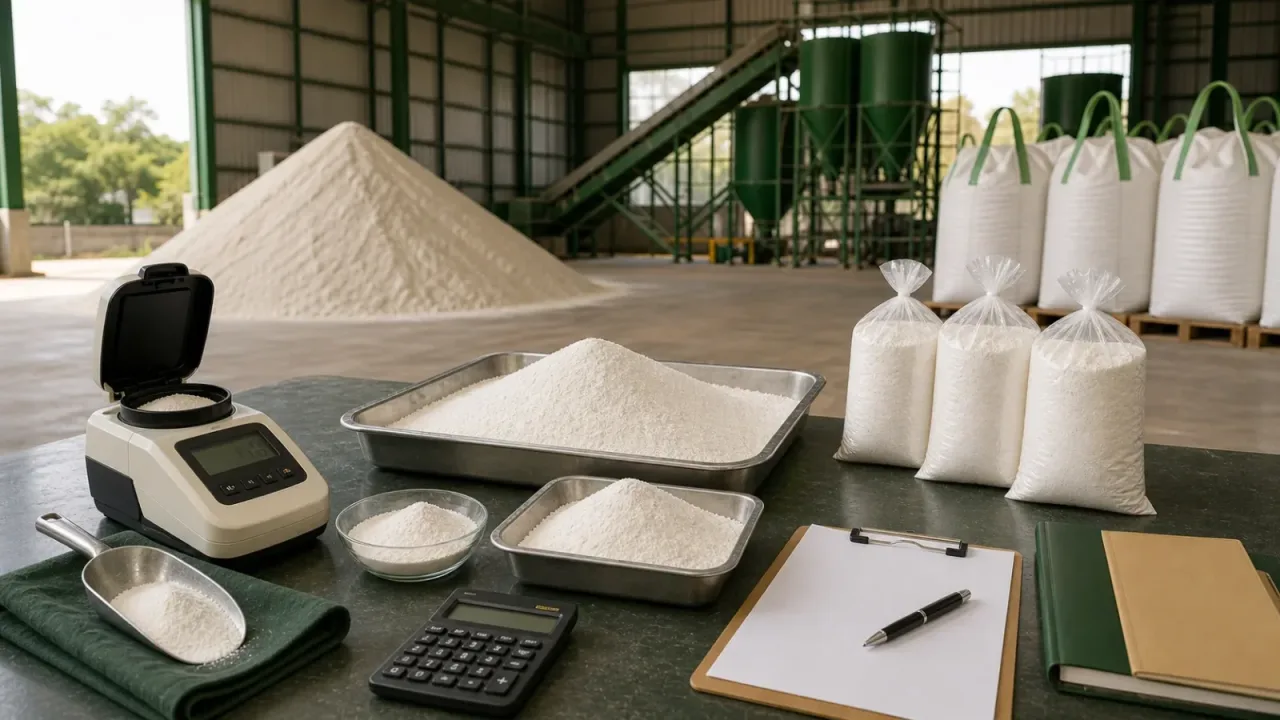
In technical terms, the price of dried cassava pulp is adjusted according to the specifications presented in the Certificate of Analysis (COA). The most critical factors are as follows:
1. Moisture Content
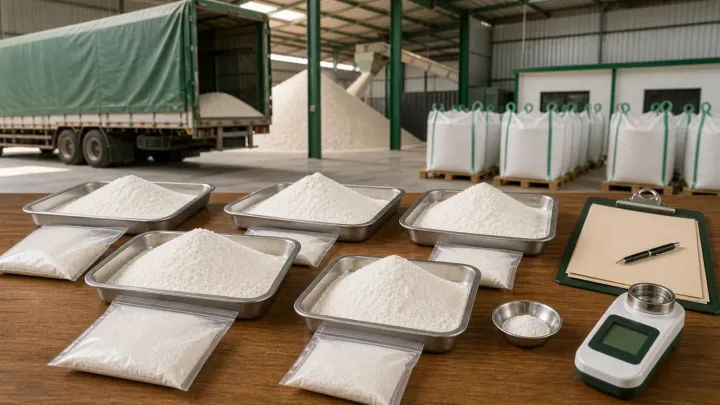
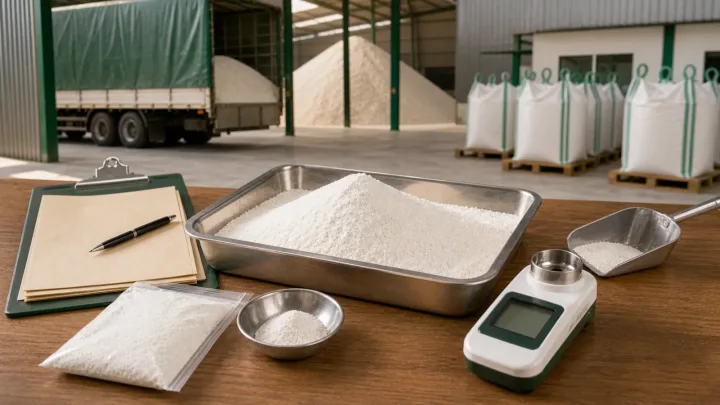
Moisture is the most significant variable in determining price. Moisture levels exceeding the standard do not only cause "weight loss" during transportation and storage but are also a primary factor in accelerating mold growth, particularly Aflatoxin. If high levels are detected, that specific lot may become unusable for animal feed. Therefore, dried cassava pulp with low and stable moisture levels usually commands a higher price, as it reflects superior drying quality and lower risk.
2. Residual Starch
The nutritional value of cassava pulp depends on the amount of starch remaining after the starch production process. If the starch extraction process is incomplete, the pulp will have a higher Metabolizable Energy (ME) value, directly impacting the assessment of the cost per energy unit. Buyers focusing on energy efficiency must be willing to accept higher prices if the product has a higher residual starch content than the standard.
3. Impurities/Inerts
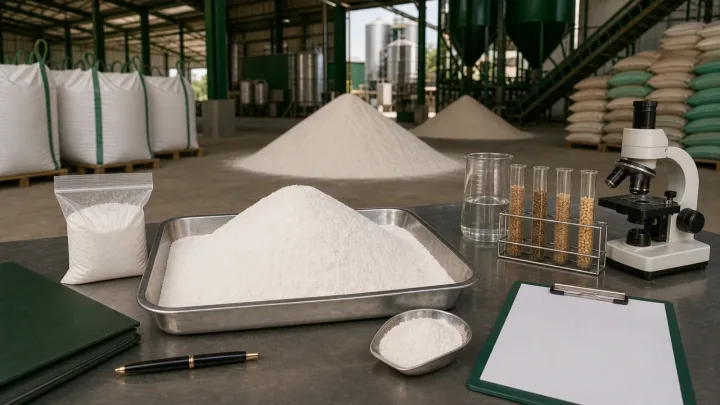
The amount of sand, soil, or cassava peel fragments mixed with the pulp affects the digestibility in animals. High impurity levels lead to nutrient dilution and may impact the animal's gastrointestinal health. Controlling impurities at a low level is a value-added characteristic of the product.
| Technical Factor | Impact on Nutritional Value | Impact on Price |
| High Moisture | Risk of mold/Weight loss | Low Price (due to high risk) |
| High Residual Stermat | Higher Energy (ME) | High Price (due to high value) |
| High Impurities | Lower Digestibility | Low Price |
Production & Operational Costs
The ex-factory price of cassava pulp is primarily determined by the operational cost structure of the cassava starch factory:
1. Drying Energy Cost
The process of converting liquid pulp into dried pulp requires massive amounts of thermal energy, whether from natural gas (NGV/LPG) or fuel oil. When global or domestic energy prices rise, the cost of moisture reduction increases immediately, causing the selling price of dried cassava pulp to adjust upward accordingly.
2. Starch Factory Yield
Cassava pulp is a "by-product" of the starch production process. Therefore, when a factory has a higher production volume of the main product (starch), the supply of pulp in the market increases accordingly. In years where starch yield is high, the supply of pulp may flood the market, which can lead to price decreases.
Supply & Demand Dynamics
Prices in the processed agricultural commodity market typically move according to the cycles of upstream raw materials:
- Seasonality: During the rainy season, the supply of fresh cassava roots may decrease or have high moisture content, making the processing into dried pulp more difficult and costly, leading to higher market prices during the low season. Conversely, during the high season when production is abundant, market stocks increase, causing prices to stabilize or decrease.
- Substitution Effect: The price of cassava pulp often follows the prices of "maize" and "rice bran." If maize prices surge, animal feed mills will increase the proportion of cassava pulp in their formulas to reduce costs, driving up the demand for cassava pulp and pushing prices higher.
Logistics & Geographical Factors
The final factor that causes "ex-factory" prices and "delivered" prices (to farms or feed mills) to differ is transportation costs:
Diesel prices are a key variable in calculating the delivered price. Additionally, the distance from production hubs (such as the Northeast or the East) to feed mills in different regions varies, along with route limitations and road conditions that may affect transportation costs at different times.
Conclusion & Strategic Insights
Fluctuations in the price of dried cassava pulp do not stem from a single factor, but rather a complex relationship between technical quality, energy costs, and global market dynamics.
For Procurement (Procurement Strategy)
Do not consider only the lowest "price per ton," but instead consider the "Cost per ME Unit." This is achieved by thoroughly reviewing the COA, specifically looking at moisture and residual starch levels. Choosing products with high consistency, even if the price is slightly higher, will reduce the risk of weight loss during transit and ensure more accurate feed formulation calculations.
For Suppliers (Supplier Strategy)
Competitive advantage does not come from price cutting, but from "Standardization." Maintaining consistent moisture and starch levels, along with providing reliable Certificates of Analysis (COA), will build confidence with leading animal feed mills and allow your product to create more "value-added" compared to competitors in the market.
Sources
- Thai Tapioca Starch Association - Tapioca Production - https://www.thaitapiocastarch.org/en/information/statistics/tapioca_production - ข้อมูลสำหรับยืนยันภาพรวมผลผลิตมันสำปะหลังไทยและบริบท supply ของอุตสาหกรรม
- Thai Tapioca Starch Association - Export Tapioca Products - https://www.thaitapiocastarch.org/en/information/statistics/export_tapioca_products - ข้อมูลสำหรับยืนยันสถิติส่งออกผลิตภัณฑ์มันสำปะหลัง รวมถึงหมวด Pulp
- Thai Tapioca Starch Association - Tapioca Starch Processing - https://thaitapiocastarch.org/en/information/learning_industry/tapioca_starch_processing - ข้อมูลสำหรับอธิบายกระบวนการผลิตแป้งมันและที่มาของผลพลอยได้จากโรงงานแป้งมัน
- ACFS / TAS 8803-2561 - มาตรฐานสินค้าเกษตร กากมันสำปะหลัง - https://www.opsmoac.go.th/udonthani-dwl-files-471491791858 - ข้อมูลอ้างอิงนิยามกากมันสำปะหลังแห้ง/ผง/อัดเม็ด และข้อกำหนดพื้นฐาน เช่น ไม่พบเชื้อราหรือสิ่งแปลกปลอมที่มองเห็นได้
- FAO - Roots, tubers, plantains and bananas in animal feeding - https://www.fao.org/4/T0554E/T0554E05.htm - ข้อมูลสำหรับยืนยันประเด็นความชื้น สิ่งปลอมปน เถ้า ทราย และความเสี่ยง aflatoxin ในสินค้า cassava/feed
- FAO - Thailand Feed and Feed Ingredient Standards - https://www.fao.org/fileadmin/user_upload/affris/docs/standard/Thailand_Feed_and_Feed_Ingredient_Standards.pdf - ข้อมูลภาพรวมสำหรับตัวอย่างโครงสร้างค่าวิเคราะห์วัตถุดิบอาหารสัตว์ เช่น moisture, protein, fiber, ash
- DLD - การตรวจอะฟลาทอกซินในวัตถุดิบอาหารสัตว์ - https://qcontrol.dld.go.th/images/Prototype/knowledge/analysis/2565/13.pdf - ใช้สนับสนุนหัวข้อ aflatoxin, วิธีวิเคราะห์ และเหตุผลที่ควรตรวจเป็นรอบเมื่อมีความเสี่ยง

Author information
Sri Thong Admin
B2B dried cassava pulp content specialist
Affiliation
SRITHONG PRODUCTTAPIOCA COMPANY LIMITED