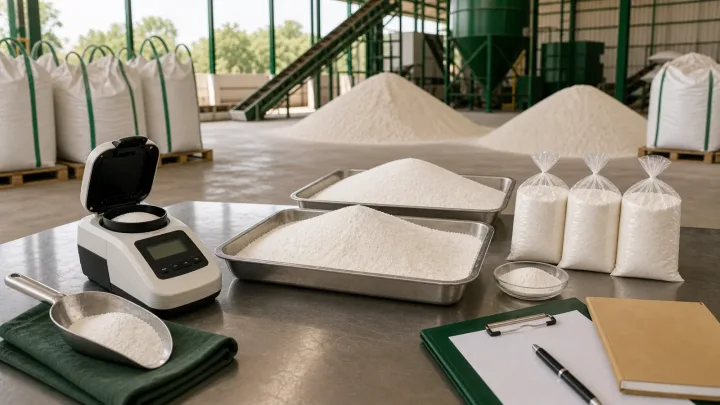
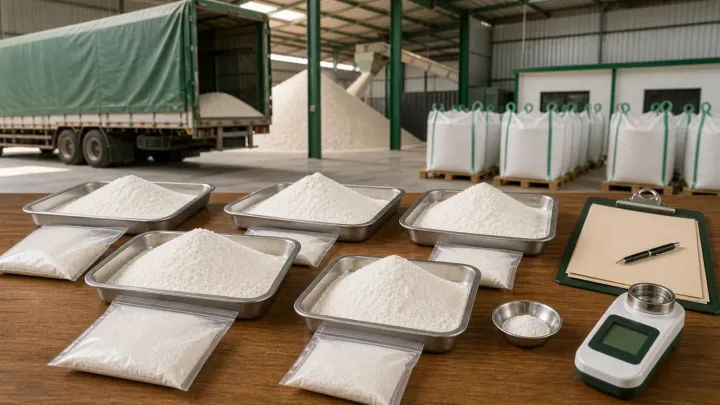
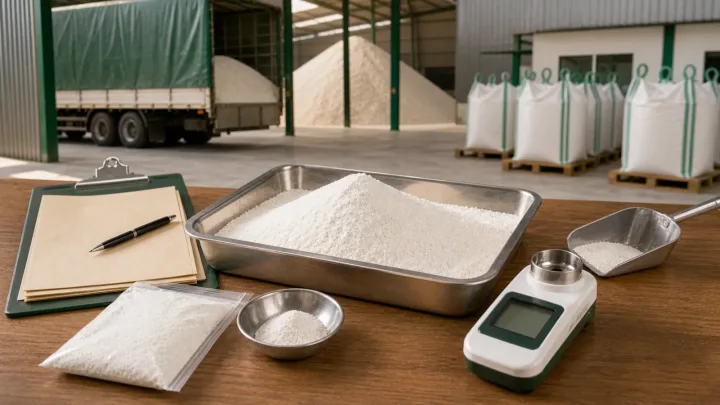
How 11–13% Moisture Dried Cassava Pulp Is Better Than High‑Moisture Pulp
By Sri Thong Admin · Published 2026-06-11 · Updated 2026-06-07
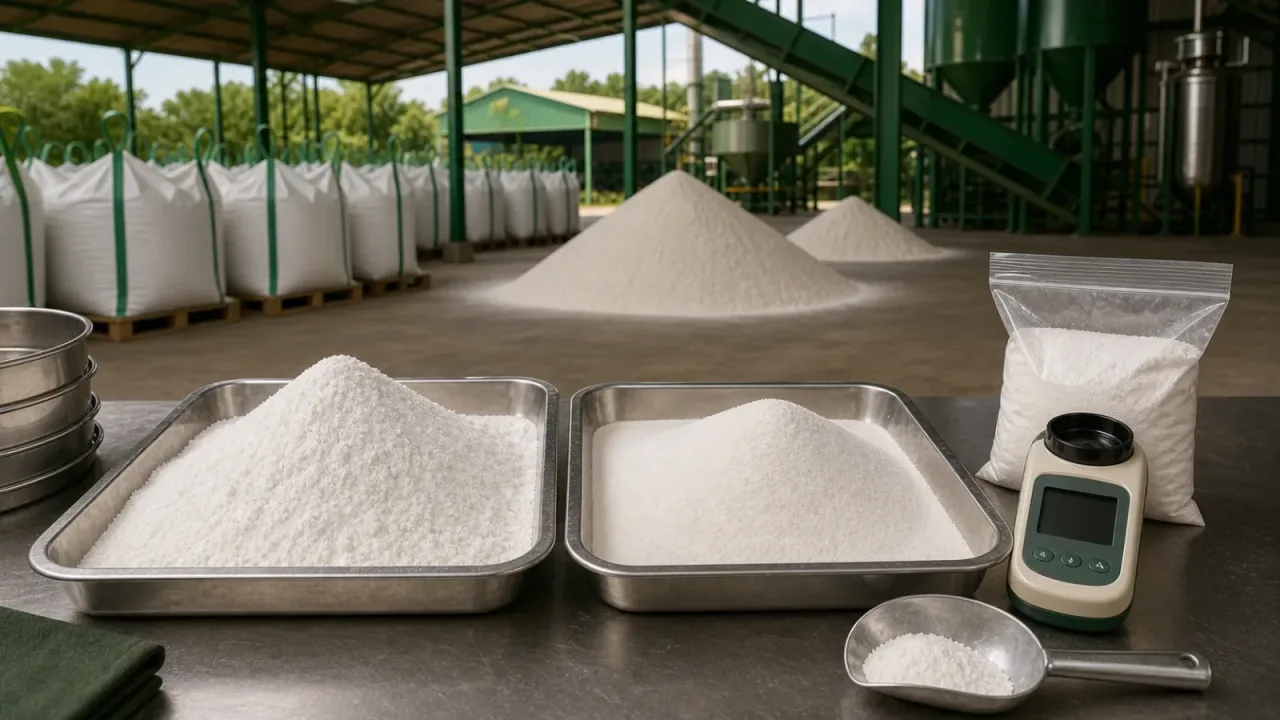
Comparative Analysis of Nutritional and Economic Efficiency between Low-Moisture Cassava Pulp (11-13%) and High-Moisture Cassava Pulp
In Feed Cost Management, choosing cassava pulp as an energy source requires consideration beyond just the price per ton. An in-depth analysis reveals that Dried Cassava Pulp, with controlled moisture between 11-13%, provides a strategic advantage over Wet Pulp in terms of nutrient precision, nutrient stability, and logistical efficiency. Low and stable moisture helps reduce nutrient dilution, minimizes the risk of mold contamination and mycotoxins, and most importantly, reduces hidden costs from transporting water and excess weight that lacks nutritional value, directly impacting long-term economic value control for feed mills.
I. Introduction: Raw Material Challenges in the Animal Feed Industry
Cassava Pulp is a crucial by-product of the cassava starch production process, serving as a primary energy source due to its high residual starch content. However, a significant challenge faced by feed millers is the "variability" in physical characteristics between High-Moistured (Wet) Pulp—which often has high water content and fluctuates according to production cycles—and Dried Cassava Pulp, which has undergone a drying process.
Moisture variability does not only affect the weight of the raw material but also impacts the precision of feed formulation calculations, feed safety risks, and warehouse management costs. Understanding the structural differences between these two types of pulp is a key factor in increasing the competitiveness of feed mills.
II. Nutritional Efficiency and Nutrient Density
The core of feed formulation is achieving precise nutrient levels according to animal nutrient requirements. When comparing both types of cassava pulp on a per kg basis, significant differences are observed.
1. Impact of Nutrient Dilution
In high-moisture cassava pulp, the high water content acts as a diluent for key nutrients such as starch and Metabolizable Energy (ME). When comparing nutrient content per kilogram, wet pulp clearly shows lower nutrient density than dried pulp, as water replaces the space occupied by nutrients within the total weight.
2. Accuracy in Energy Calculation (ME Accuracy)
Using low-moisture pulp with controlled moisture at 11-13% allows nutritionists to accurately calculate Metabolizable Energy (ME) and Dry Matter (DM). Constant moisture levels help reduce errors in calculating true energy values; using high-moisture pulp with high variability can lead to problems such as under-nutrition or over-nutrition, which negatively impacts costs.
| Indicator | High-Moisture Pulp (Wet Pulp) | Low-Moisture Pulp (11-13% Moisture) |
|---|---|---|
| Starch Density | Low (diluted by water) | High (high nutrient concentration per unit weight) |
| DM Calculation Accuracy | Low (high variability) | High (stable moisture, easy to control DM) |
| Risk of Formulation Errors | High (Nutrient Variability) | Low (Standardized Quality) |
III. Microbiological Stability and Feed Safety
Raw material safety is something feed mills cannot overlook. Moisture is a primary factor controlling microbial growth.
Low-moisture cassava pulp with only 11-13% moisture will have a lower Water Activity ($a_w$), reaching levels that can inhibit the growth of most microorganisms. Controlling moisture at an appropriate level, therefore, creates a natural barrier to prevent spoilage.
Conversely, high-moisture pulp provides a highly favorable environment for mold growth. When mold grows in high-moisture conditions, it produces mycotoxins, such as Aflatoxin, which are extremely dangerous to animals and can impact the safety of meat products exported to global markets. Using low-moisture pulp helps reduce the risk of toxin contamination during the production process.
High-moisture pulp often undergoes rapid natural fermentation, resulting in changes in pH levels. This not only alters the odor and taste but also affects nutrient stability and may cause changes in the chemical structure of the starch, thereby reducing digestibility.
IV. Logistics Efficiency and Warehouse Management
Managing hidden costs in transportation and storage is crucial for profitability in B2B businesses.
- Cost per unit of Nutrient: Transporting high-moisture pulp is essentially "carrying water weight" that has no nutritional value. Using low-moisture pulp ensures that the amount of nutrients delivered to the factory per truckload is higher, effectively reducing the cost per unit of nutrient.
- Storage Density: Low-moisture pulp has a more appropriate volumetric density, allowing for greater nutrient storage in silos or warehouses relative to the total weight.
- Reduction of Shrinkage: Storing high-moisture pulp carries a risk of weight loss due to water evaporation or spoilage (shrinkage), making inventory control more difficult compared to the high stability of low-moisture pulp.
V. Precision in Feed Formulation and Cost Control (Precision Feeding)
In the era of Precision Nutrition, using accurate data is paramount. Using cassava pulp with inconsistent quality impacts the entire production system.
Low-moable pulp (11-13%) provides raw material standardization, allowing mills to maintain consistent feed quality across every production batch. This reduces errors in calculating Dry Matter (DM) values, which is a primary cause of feed energy levels failing to meet specifications.
Purchasers and factory owners often prioritize "Price per Ton" first. However, when considering the "Cost per unit of actual nutrient received" (Cost per unit of ME/Starch), low-moisture pulp is often more cost-effective due to its higher nutrient content and the reduction of hidden costs related to risk and transportation.
VI. Technical Conclusion
Based on the comparative analysis, it can be concluded that choosing cassava pulp with controlled moisture at 11-13% is a strategic decision that creates a sustainable advantage in animal feed production—both in terms of increasing nutritional precision, controlling raw material safety against mold and toxins, and enhancing the efficiency of logistics cost management.
For feed manufacturers looking to elevate production standards and control production costs effectively, choosing partners capable of delivering standardized raw materials with clear technical data (COA) is the key to building supply chain sustainability for the future.
Sources
- Thai Tapioca Starch Association - Tapioca Production - https://www.thaitapiocastarch.org/en/information/statistics/tapioca_production - ใช้ยืนยันภาพรวมผลผลิตมันสำปะหลังไทยและบริบท supply ของอุตสาหกรรม
- Thai Tapioca Starch Association - Export Tapioca Products - https://www.thaitapiocastarch.org/en/information/statistics/export_tapioca_products - ใช้ยืนยันสถิติส่งออกผลิตภัณฑ์มันสำปะหลัง รวมถึงหมวด Pulp
- Thai Tapioca Starch Association - Tapioca Starch Processing - https://thaitapiocastarch.org/en/information/learning_industry/tapioca_starch_processing - ใช้อธิบายกระบวนการผลิตแป้งมันและที่มาของผลพลอยได้จากโรงงานแป้งมัน
- ACFS / TAS 8803-2561 - มาตรฐานสินค้าเกษตร กากมันสำปะหลัง - https://www.opsmoac.go.th/udonthani-dwl-files-471491791858 - ใช้อ้างอิงนิยามกากมันสำปะหลังแห้ง/ผง/อัดเม็ด และข้อกำหนดพื้นฐาน เช่น ไม่พบเชื้อราหรือสิ่งแปลกปลอมที่มองเห็นได้
- FAO - Roots, tubers, plantains and bananas in animal feeding - https://www.fao.org/4/T0554E/T0554E05.htm - ใช้ยืนยันประเด็นความชื้น สิ่งปลอมปน เถ้า ทราย และความเสี่ยง aflatoxin ในสินค้า cassava/feed
- FAO - Thailand Feed and Feed Ingredient Standards - https://www.fao.org/fileadmin/user_upload/affris/docs/standard/Thailand_Feed_and_Feed_Ingredient_Standards.pdf - ใช้เป็นตัวอย่างโครงสร้างค่าวิเคราะห์วัตถุดิบอาหารสัตว์ เช่น moisture, protein, fiber, ash
- DLD - การตรวจอะฟลาทอกซินในวัตถุดิบอาหารสัตว์ - https://qcontrol.dld.go.th/images/Prototype/knowledge/analysis/2565/13.pdf - ใช้สนับสนุนหัวข้อ aflatoxin, วิธีวิเคราะห์ และเหตุผลที่ควรตรวจเป็นรอบเมื่อมีความเสี่ยง

Author information
Sri Thong Admin
B2B dried cassava pulp content specialist
Affiliation
SRITHONG PRODUCTTAPIOCA COMPANY LIMITED